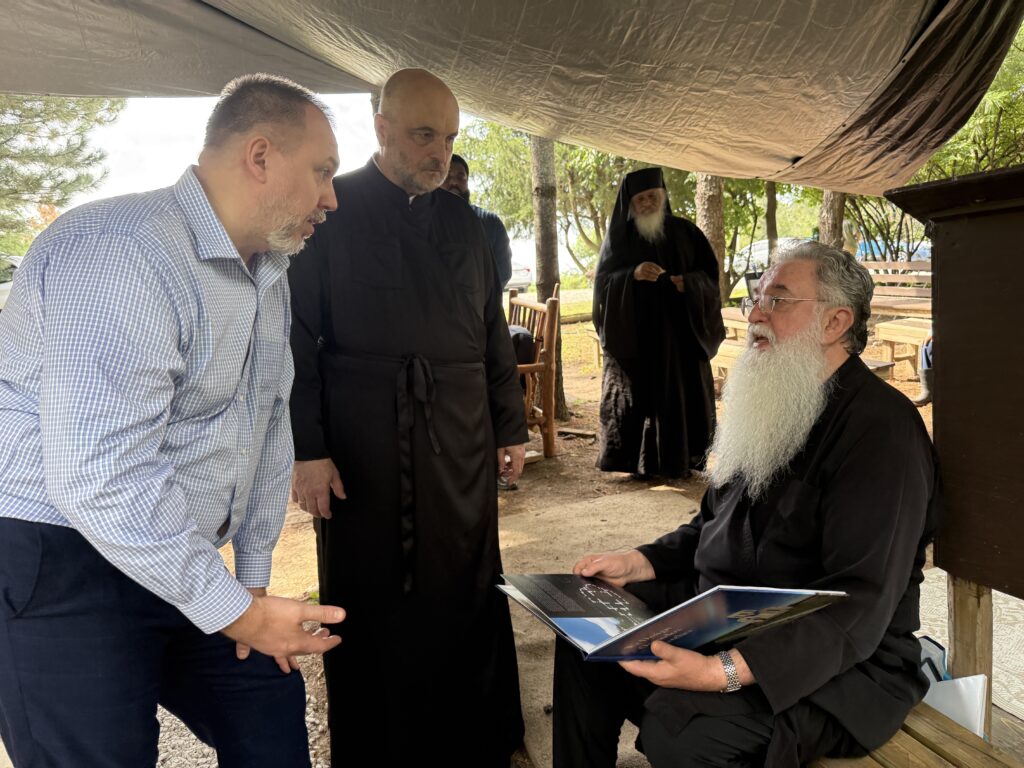
We Design Orthodox Churches, Chapels, and
Sacred Places
Architecture for Orthodox communities in America, shaped by canonical understanding, historical knowledge, licensed practice, and practical construction experience.
We guide Orthodox communities from the first idea to a worthy house of God.
Our work combines Orthodox architectural scholarship, licensed professional practice, and direct knowledge of church life. We serve as the parish’s informed architectural advocate, helping clergy and building committees make decisions that protect the liturgy, the budget, and the long-term future of the community.
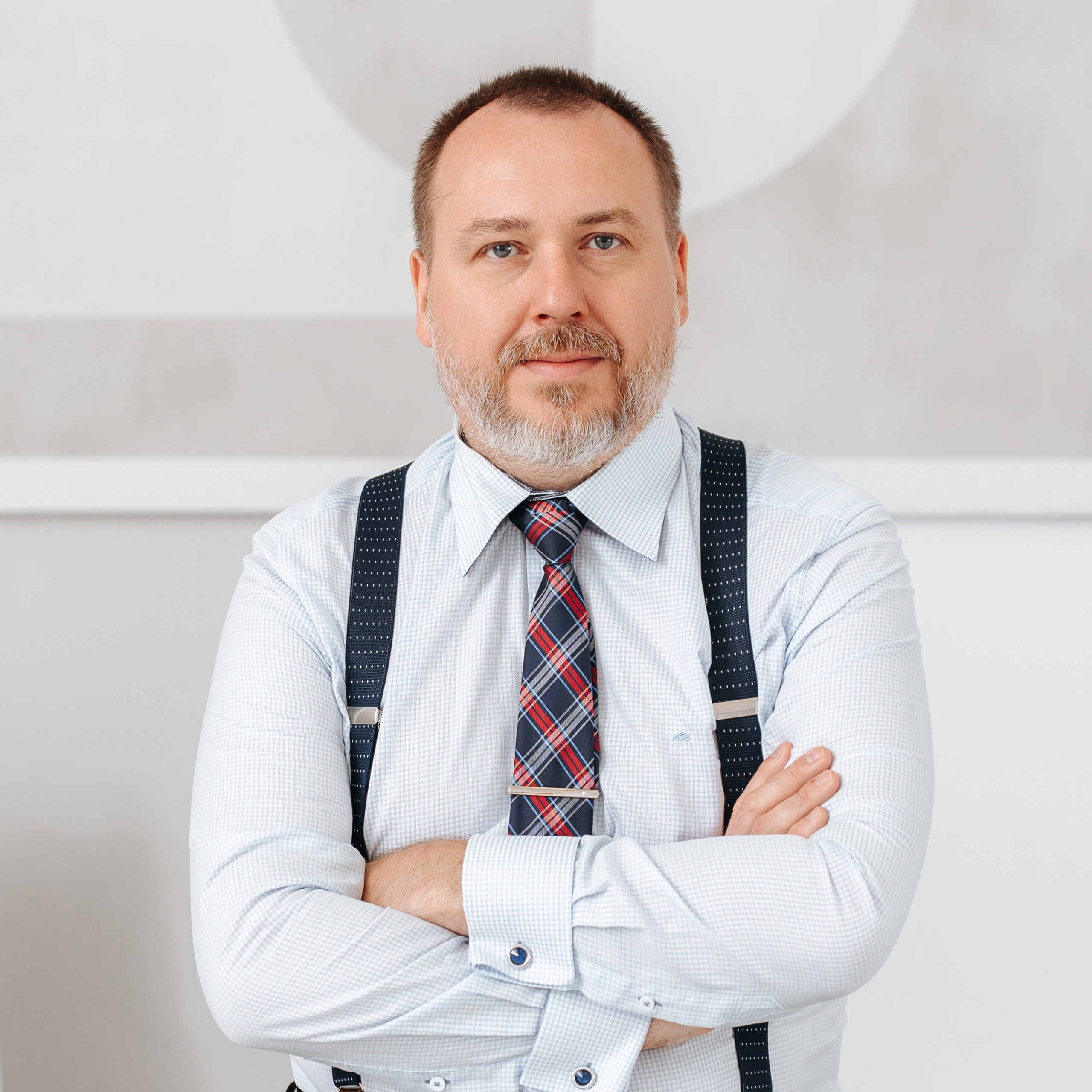
Aleksandr (Sasha) Molodin, PhD, Assoc. AIA
Graduated from the Novosibirsk Architectural Institute. Holds MA and PhD degrees in architecture, with academic work focused on Orthodox church architecture and the history of Russian architecture. More than twenty-five years of architectural design experience.
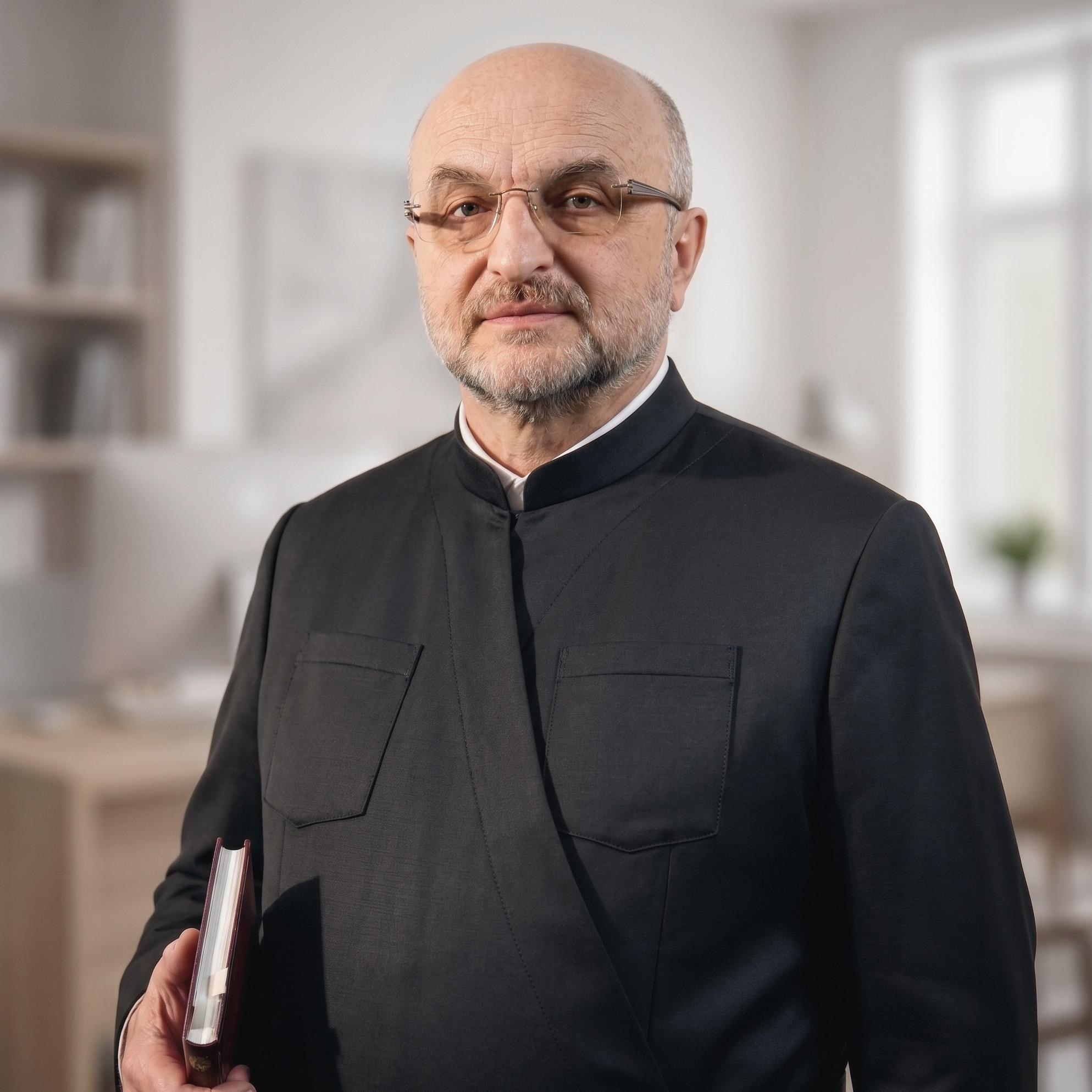
Andrei Malyshev, AIA, NCARB
Licensed architect. Cornell University, M.Arch in Architectural Design. Moscow Architectural Institute, Architecture. Orthodox deacon at St. George Church in Bayside, Queens, NY.
A complete architectural path for Orthodox communities
Concept and Feasibility
We turn an early idea into a clear architectural direction, with attention to liturgy, site, scale, cost, and future growth.
Master Planning
We prepare long-term development concepts for parish campuses, monasteries, cemeteries, retreat centers, and religious properties.
Construction Documents
We develop full architectural documentation and coordinate the technical work needed for permitting, pricing, and construction.
Construction Support
We help the parish stay oriented during construction, review decisions, clarify drawings, and support communication with builders.
Restoration and Reconstruction
We work with existing churches and sacred buildings, including adaptation, reconstruction, preservation, and careful renewal.
Project Review
We provide informed review of existing proposals, helping parishes avoid costly mistakes before drawings, budgets, or contracts go too far.
Selected Projects
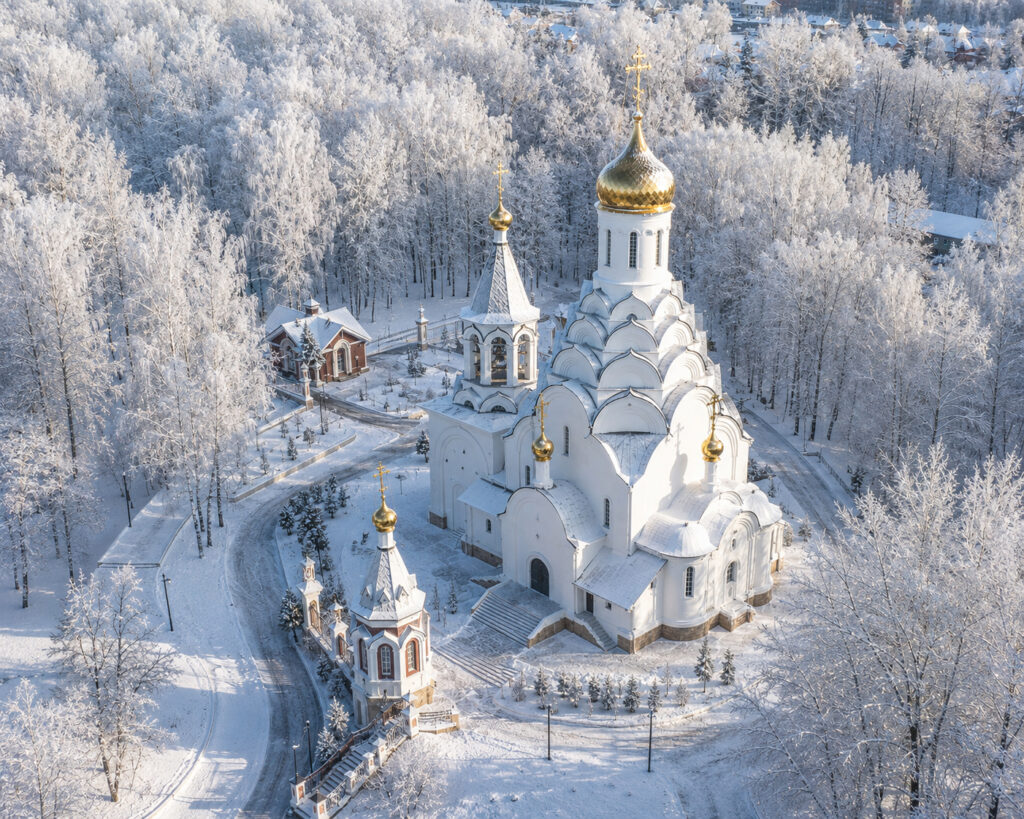
A Contemporary Tent-Roofed Church
St. Nicholas Church in Druzhba
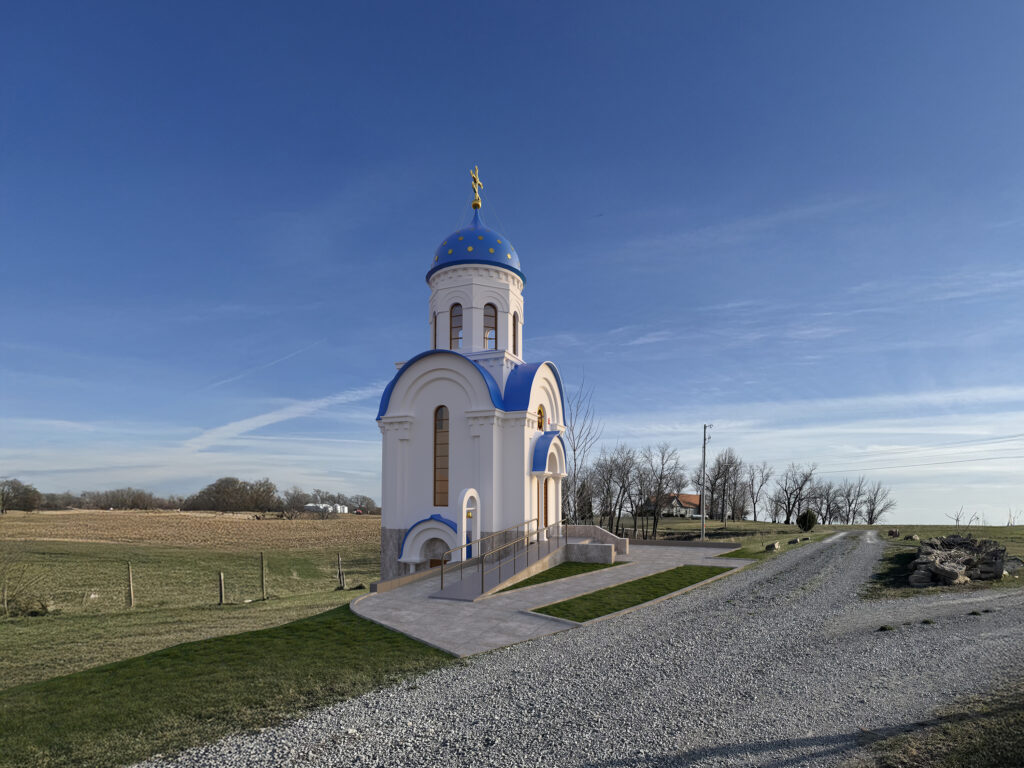
Lily’s Legacy Memorial Chapel
Chapel of St. Elizabeth and All Military Saints
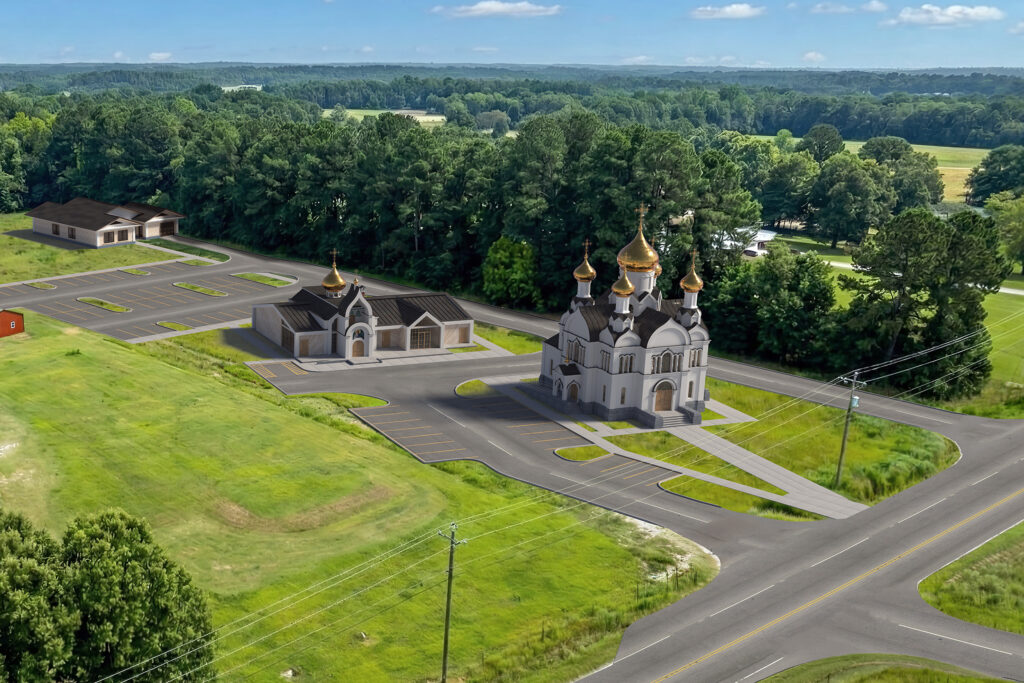
St. Joseph of Optina Orthodox Church
Master Planning & Site Development
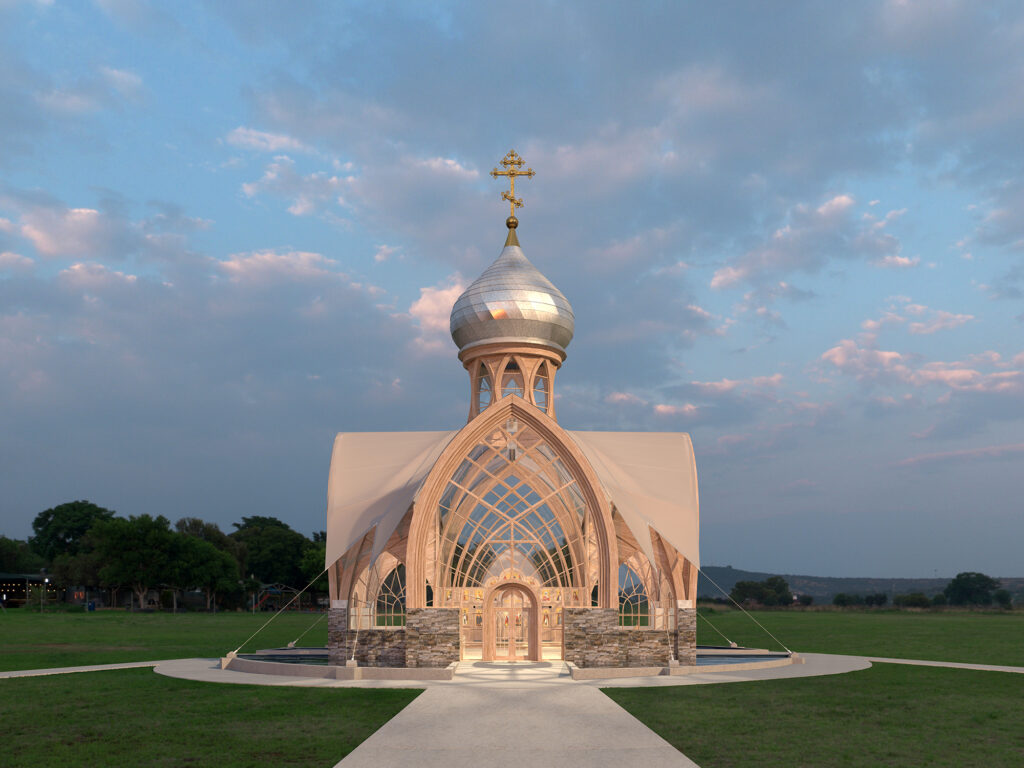
The Ark of Oikoumene
Church of St. John of Shanghai and San Francisco
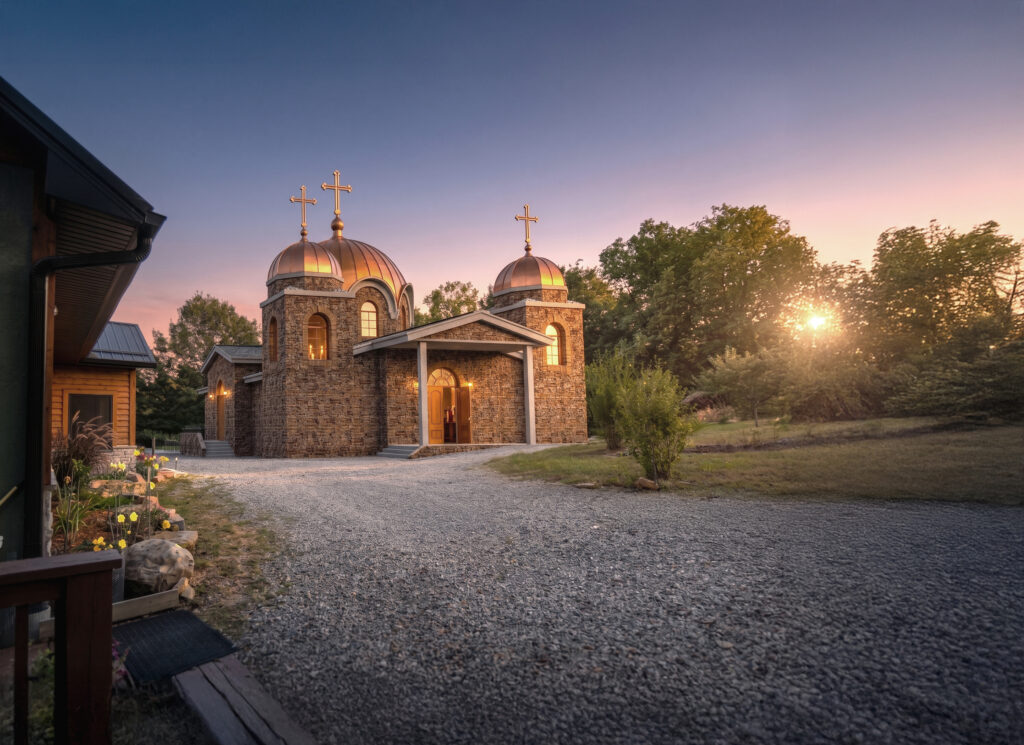
Rebirth in Stone
Church for the Holy Archangel Michael and All Angels Skete
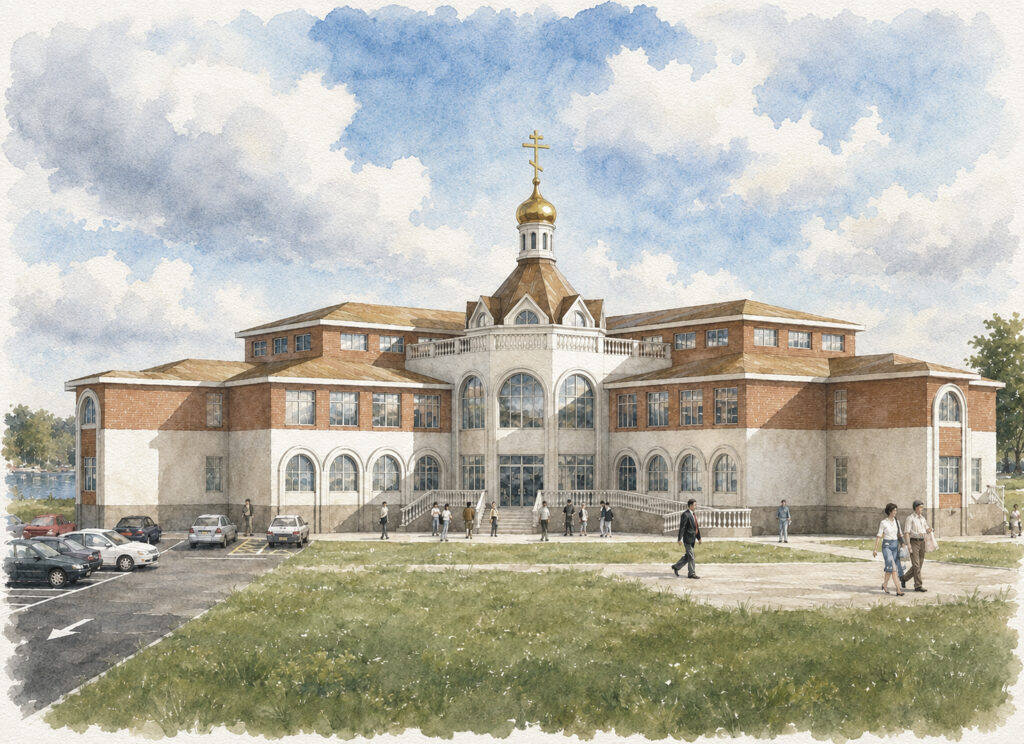
A Living Orthodox Community
Orthodox Cultural Center in Jackson, NJ
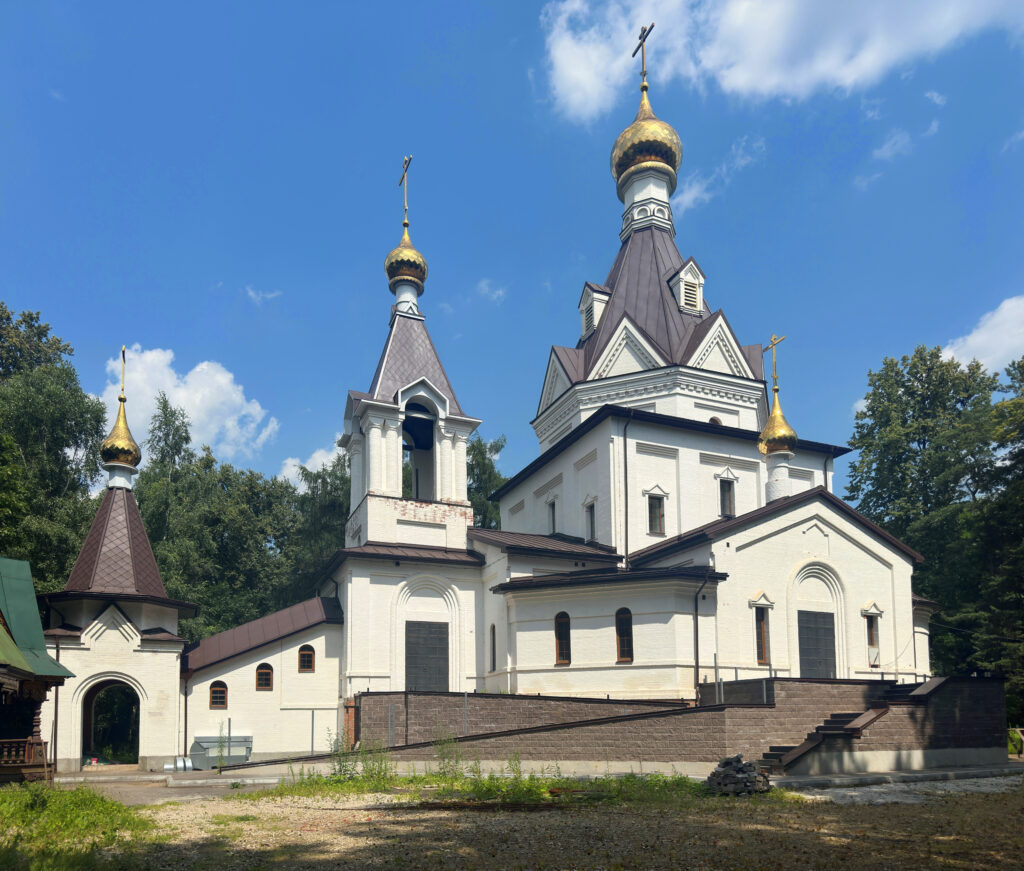
Interpreting Sacred History
Don Icon Orthodox Church
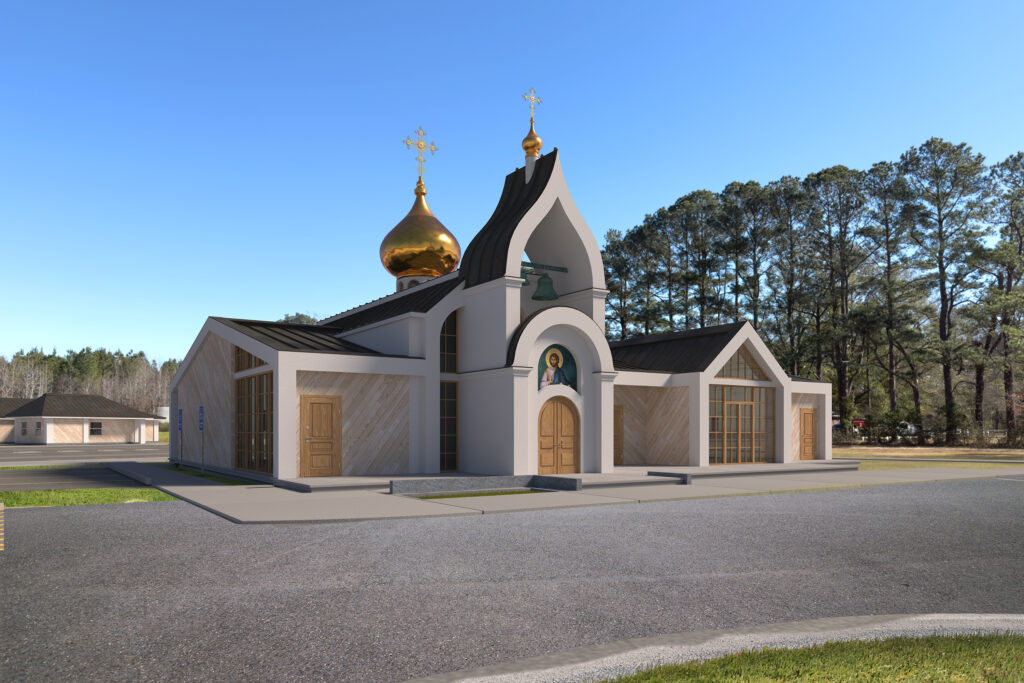
The Spiritual Hearth
St. Joseph of Optina Orthodox Church
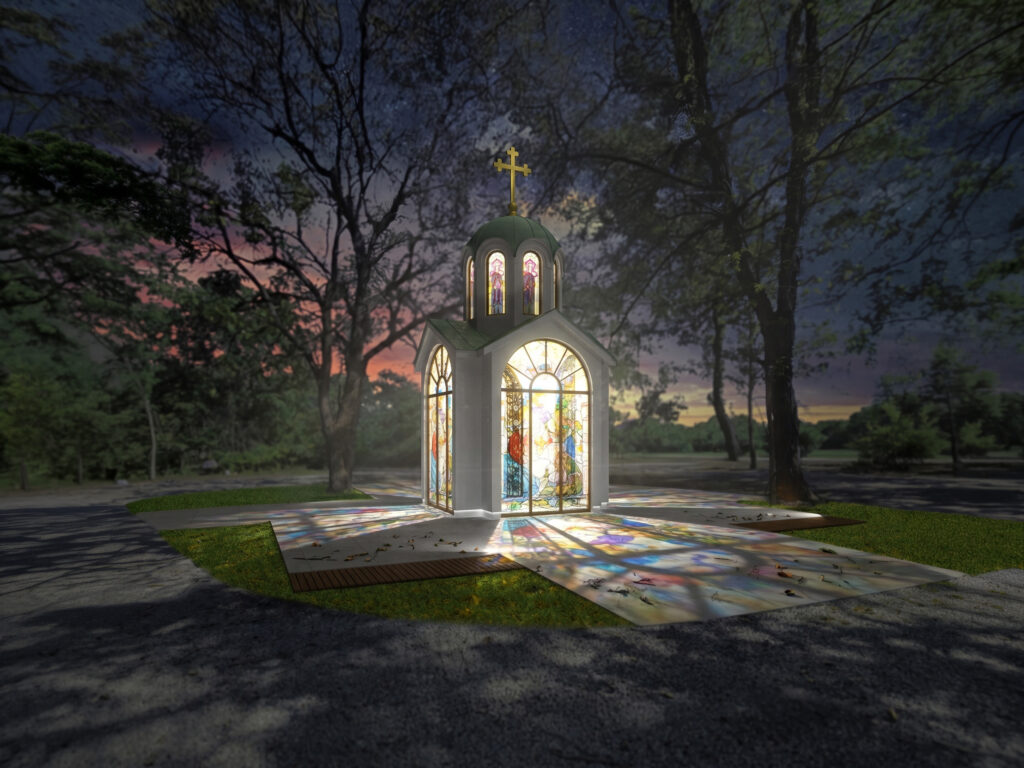
The Transfiguration Lantern
St. Mary of Egypt Cemetery Chapel
Predesign Projects
Predesign chapels and small churches for private land, small Orthodox communities, cemeteries, roadside sites, memorial places, holy springs, historic locations, and places of prayer. In the Orthodox tradition, a chapel sanctifies the surrounding space and gives a person a place to turn to God beyond the walls of a large church. Our pavilion-type designs avoid unnecessary complexity and can be built on your site by a qualified team in a short time.
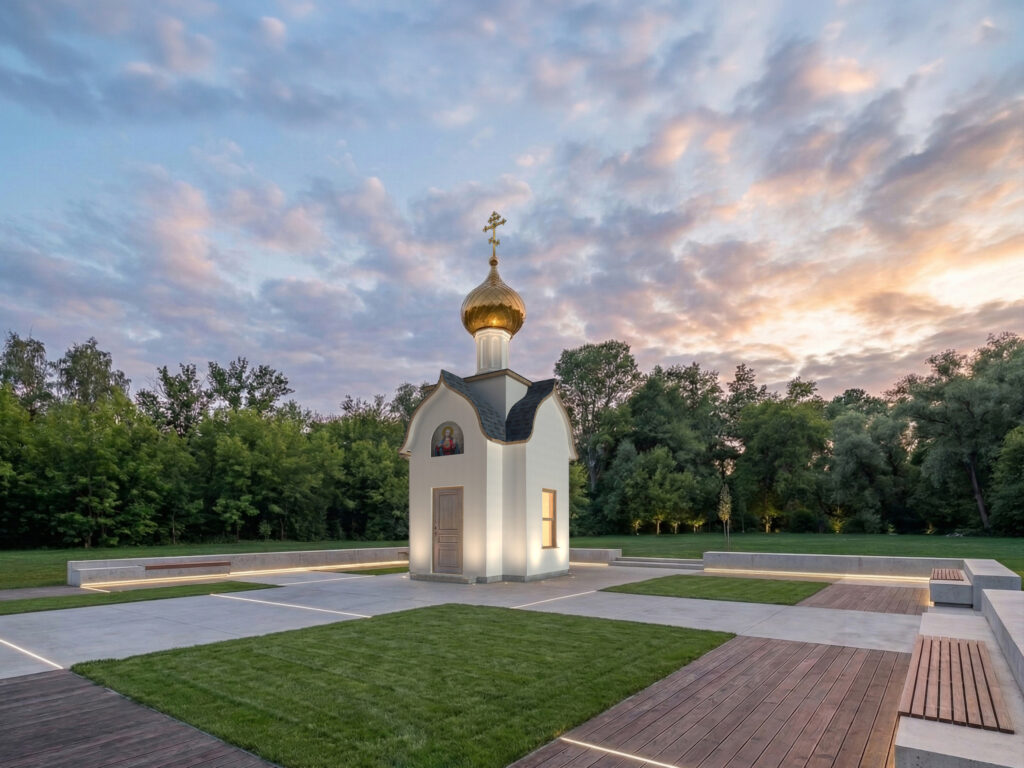
Chapel: Model 100
Discover our most affordable, pre-designed Orthodox chapel. Perfect for private yards, communities, or memorials, this beautifully crafted 100 sq. ft. sanctuary accommodates up to 20 people. Professionally assembled on your site in just 2-3 weeks.
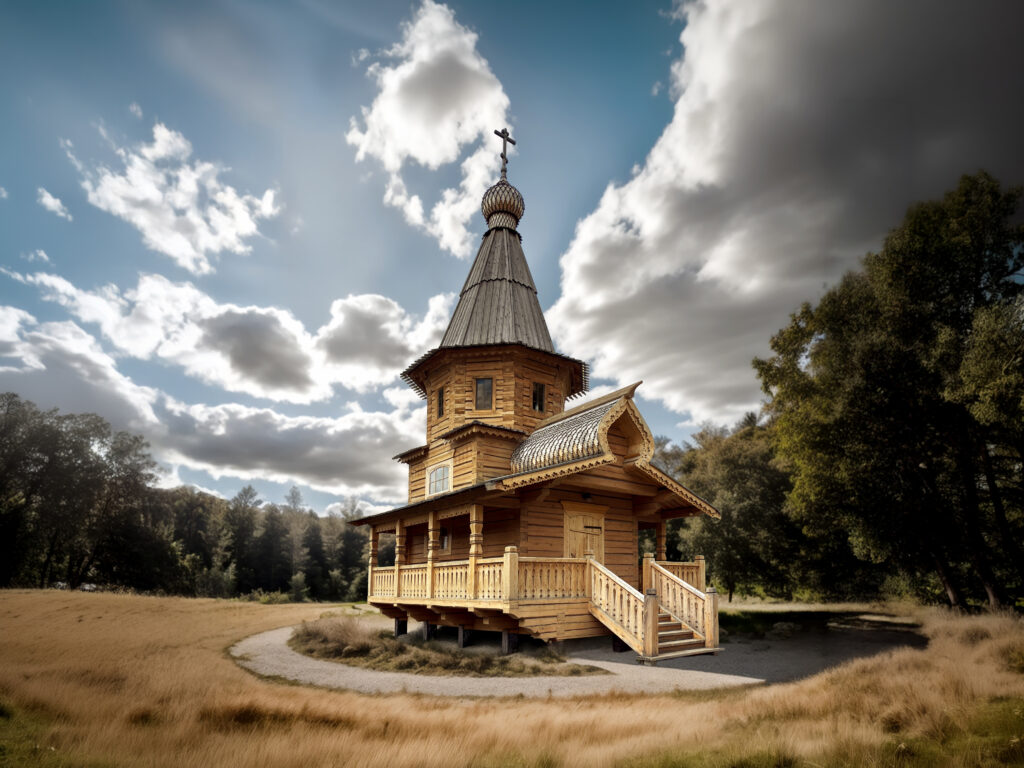
Chapel: Model 300
Experience the grandeur of our traditional Northern-style wooden chapel. Featuring a majestic 55-foot tented roof and precision-cut timber, this 294 sq. ft. sanctuary hosts up to 58 people—bringing awe-inspiring architectural beauty to your community.
Testimonials
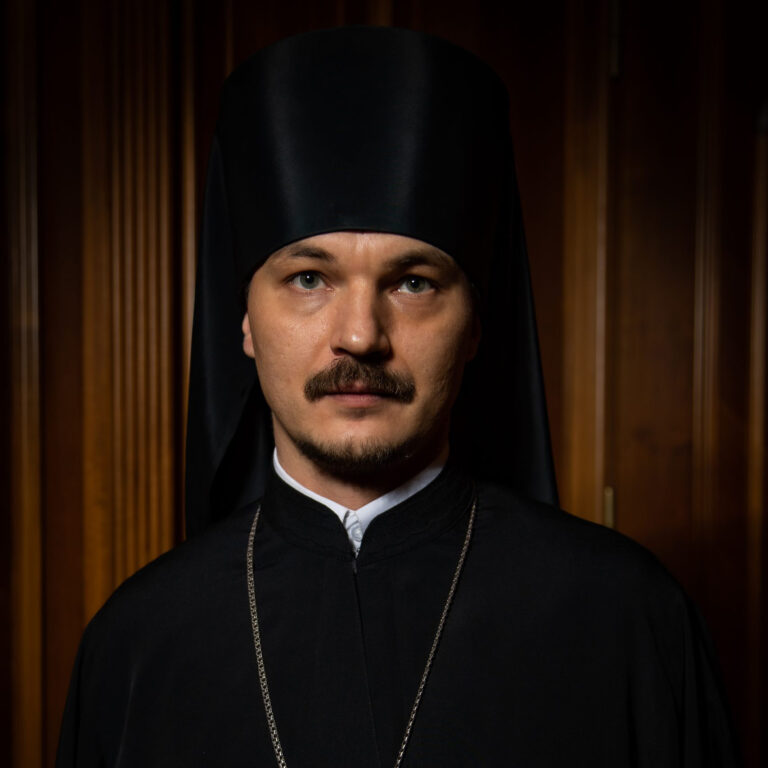
Hegumen Nikodim (Balyasnikov)
Acting Chancellor of the Patriarchal Parishes in the USA
Aleksandr Molodin is one of the leading experts on the history and architecture of Orthodox churches in North America. His multifaceted efforts to promote the history of Orthodoxy in the New World are highly regarded not only by the clergy and parishioners of the Russian Orthodox Church, but also by those of other Churches in the United States.Learn more
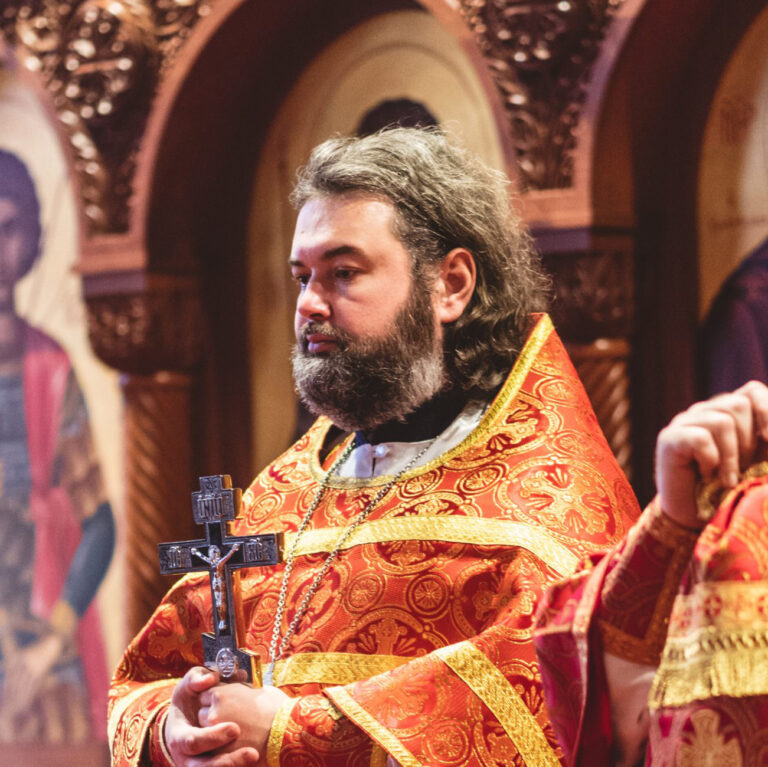
Priest Sergiy (Kosov)
Rector of St. Joseph of Optina Orthodox Church in Virginia Beach (ROCOR)
We wholeheartedly recommend Aleksandr Molodin to Orthodox parishes, monasteries, and anyone seeking to build in a way that is faithful to Orthodox tradition, thoughtfully planned, and professionally executed.Learn more
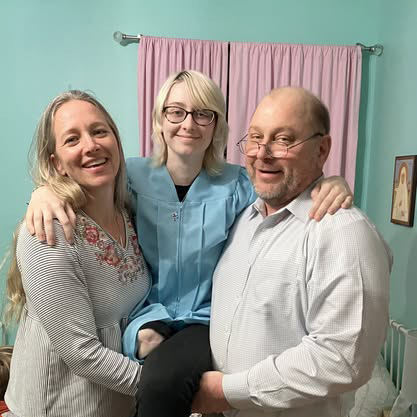
Alex and Jessie Braszko
St. Mary of Egypt Orthodox Church, Kansas City, MO
We could never have accomplished this as perfectly and as quickly as we did without Sasha, and we thank God for this experience.Learn more
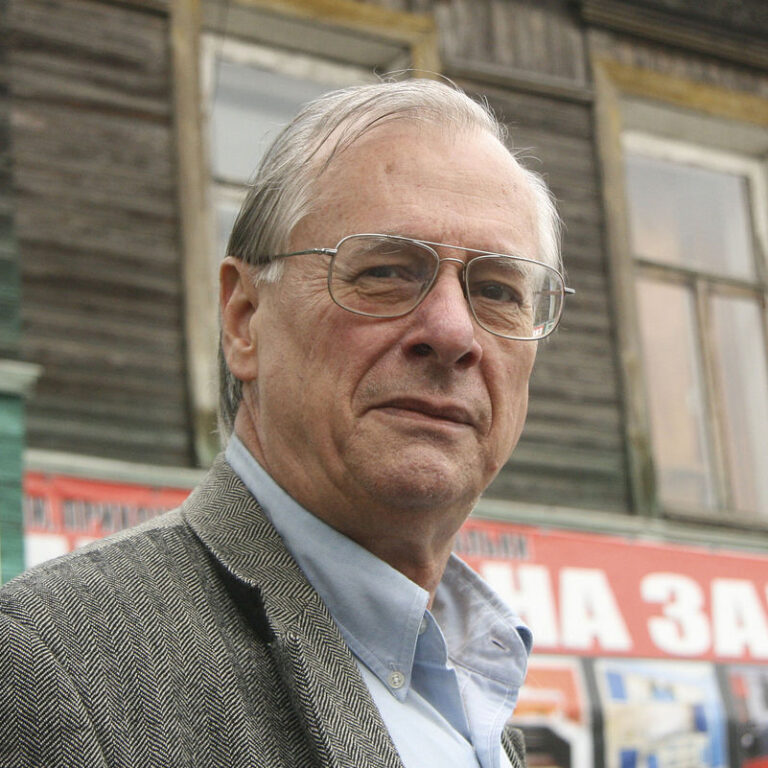
Prof. William Craft Brumfield
U.S. historian of Russian architecture and a professor at Tulane University
Aleksandr Molodin is one of the foremost experts-if not the leading authority—on Orthodox church architecture in America. In addition to advanced academic training, he was raised among Russia’s sacred spaces and perceives their essence and nuance with great clarity.Learn more
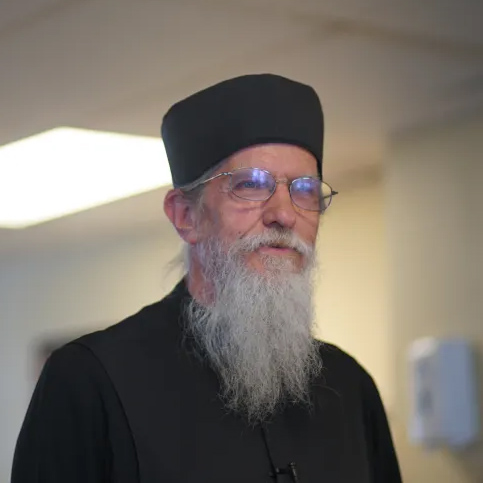
Fr. Alexii Altschul
Abbot of Holy Archangel Michael and All Angels Skete
When we presented the project to our Metropolitan, the design was approved on the very first review without a single revision. We received the archpastoral blessing to construct the church exactly as Aleksandr had envisioned it.Learn more
Publications
Books, studies, and practical resources on Orthodox architecture, heritage, and parish life in America.
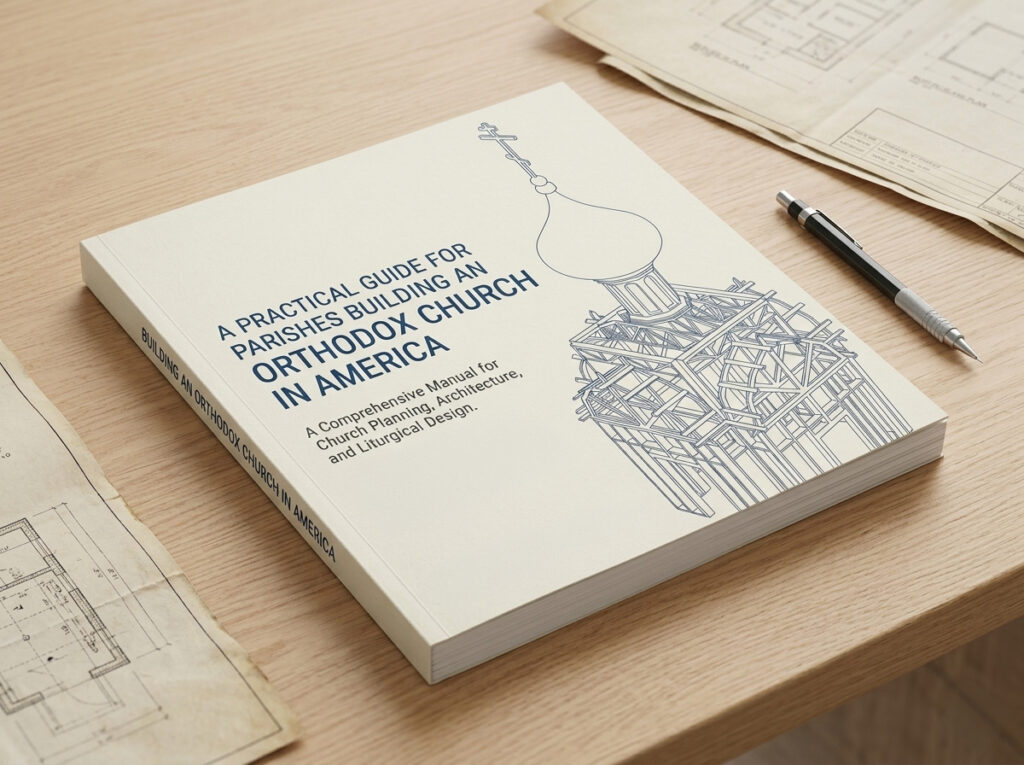
A Practical Guide for Parishes Building an Orthodox Church in America
This handbook guides US Orthodox communities through the complex process of building a temple, covering essential steps like zoning, fundraising, and canonical architecture.
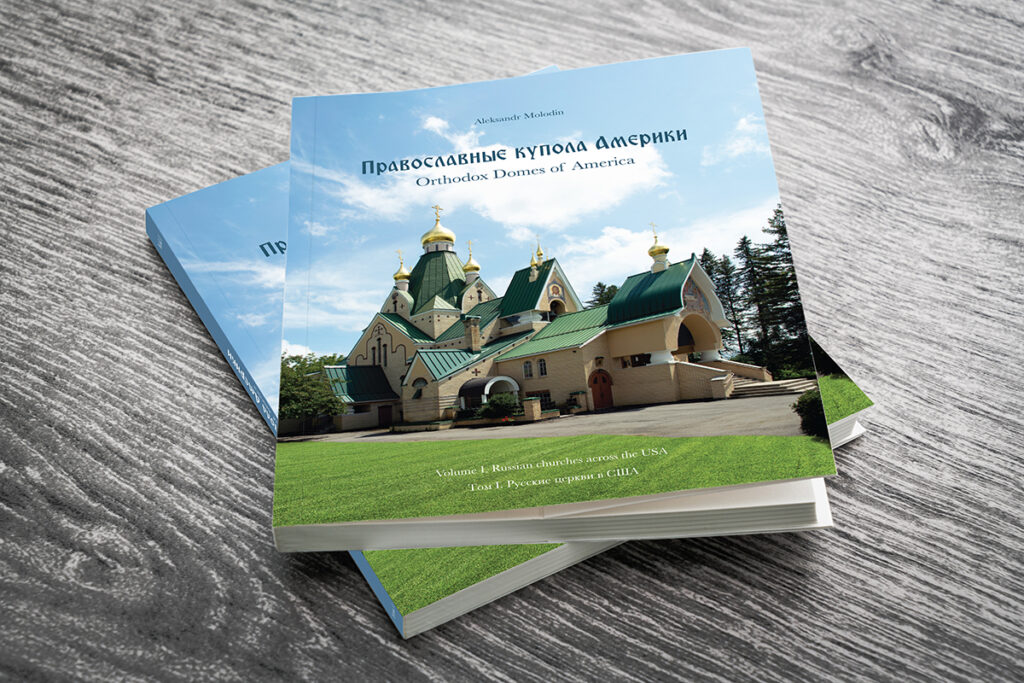
Orthodox Domes of America
The essential pieces of Russian cultural heritage in the U.S.A. are the Orthodox churches built in various states and are a piece of the distant Motherland for Russian compatriots. Since the end of the 18th century, Orthodox churches have also become an essential part of many people in America who follow the Orthodox faith.
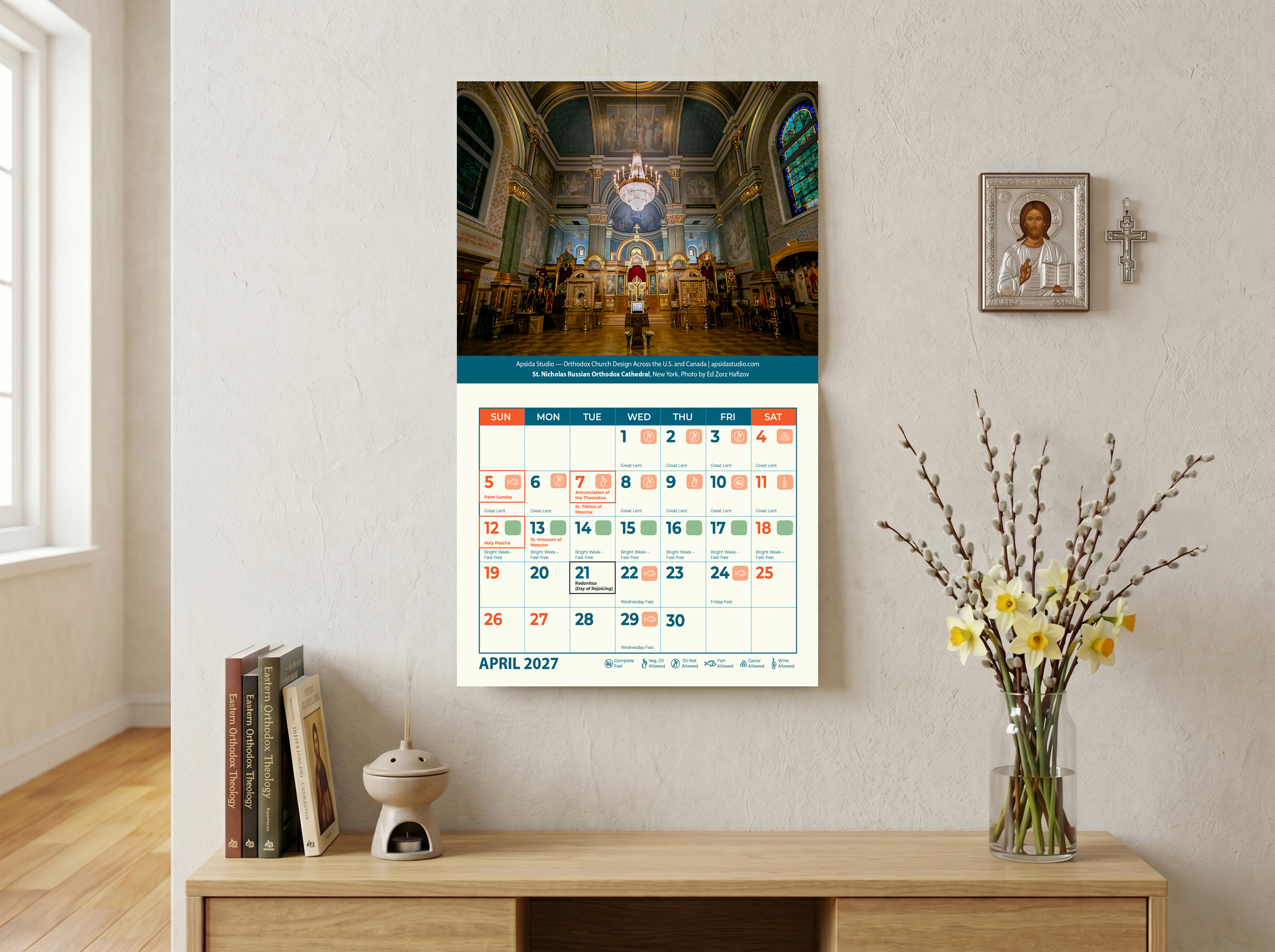
Free 2027 Orthodox Calendar
We’ll gladly send you a complimentary hard copy of the 2027 Orthodox Calendar.
The calendar is available in two versions: Julian Calendar (Old Style) and Gregorian Calendar (New Style). You may choose the version that best corresponds to the liturgical practice of your parish or family.
This calendar is blessed by Bishop Matthew of Sourozh, Administrator of the Patriarchal Parishes in the USA and Canada. It includes feast days, fasting periods, liturgical dates, and U.S. holidays. This year’s theme is the interior beauty of Orthodox churches. Each month also features selected excerpts from Orthodox sermons together with original photographs of Orthodox churches and chapels across America—a visual chronicle of faith and the living beauty of Orthodox architecture in the United States.
Every sacred project deserves a clear first step.
Tell us about your parish, monastery, chapel, or sacred site. We will help you understand what can be built, how to begin, and what the next responsible step should be.