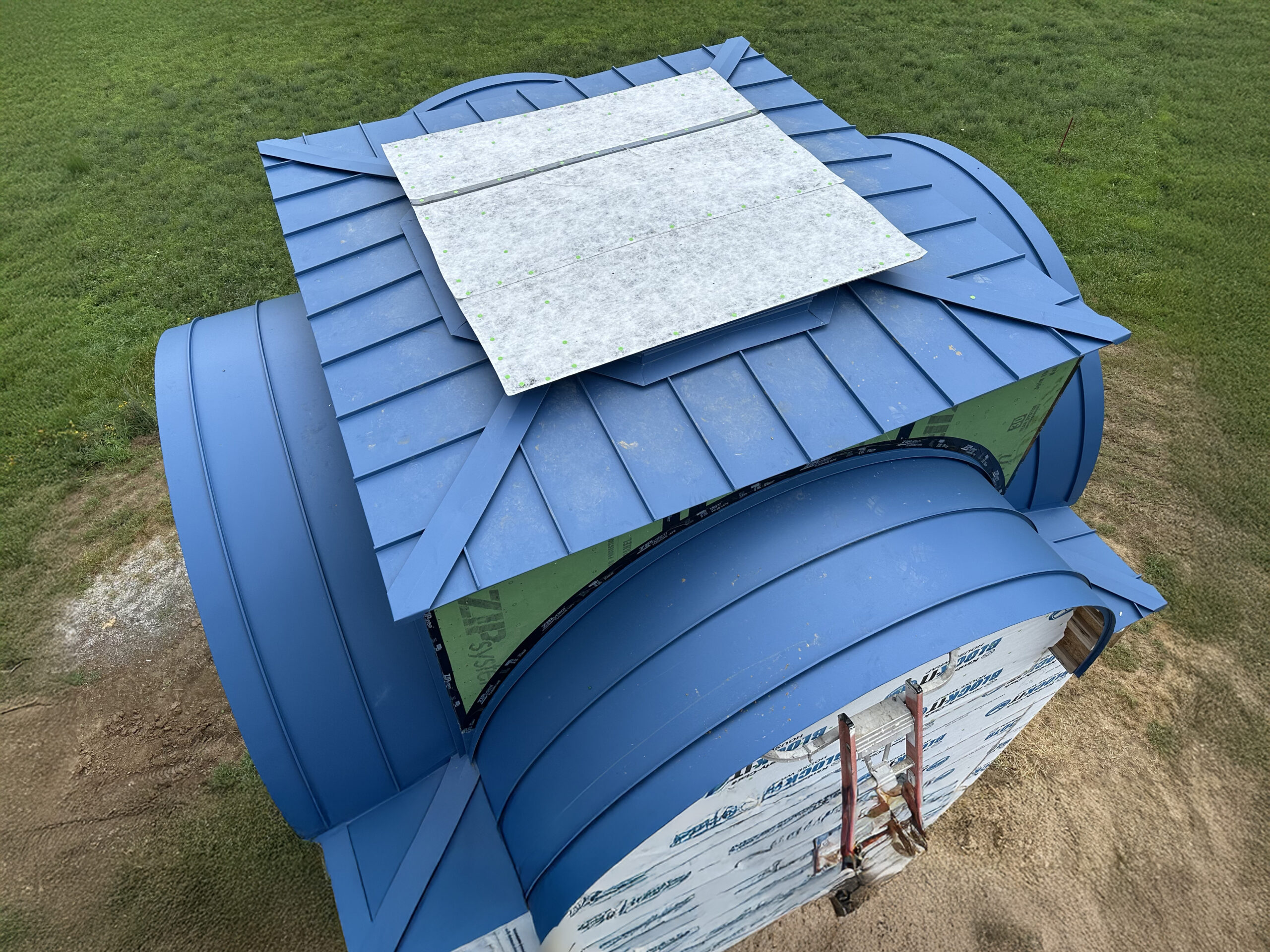
A roof is one of the most important protective systems of any building. A beautiful façade can be repaired, finishes can be replaced, and interiors can be renewed. But when a roof begins to fail, water quickly finds its way into the structure. For a church intended to serve a community for generations, the quality of the roof is therefore directly connected to the longevity of the entire building.
Orthodox churches make this question particularly interesting. Their roofs are rarely simple. Zakomary, apses, drums, domes, intersecting slopes, curved cornices, and transitions between different volumes create geometries that are very different from the conventional roofs of most contemporary buildings in the United States and Canada.
Choosing the right roofing material is therefore not simply a matter of appearance. It is a question of geometry, durability, craftsmanship, weight, and cost.
Asphalt Shingles
The most economical solution available on the North American market is usually asphalt shingles. They are inexpensive, familiar to contractors, relatively easy to install, and can accommodate moderately complex roof forms.
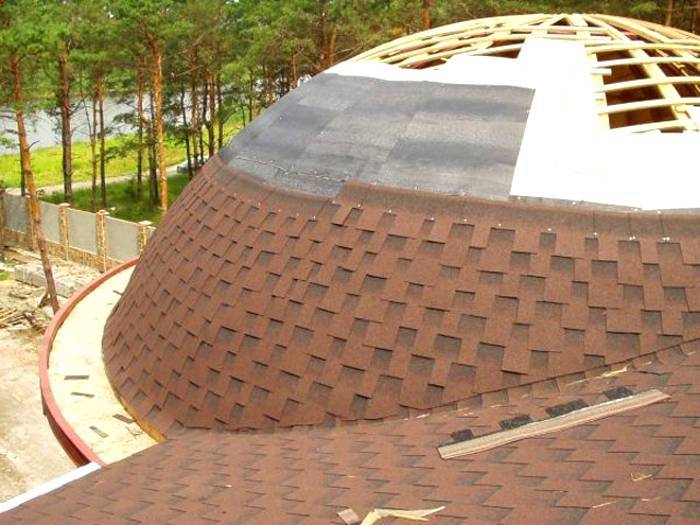
For parish buildings with limited budgets, this can be a perfectly practical solution. Asphalt shingles can follow gentle curves and changes in roof geometry more easily than many rigid roofing materials.
Their principal limitation is longevity. They are a replaceable roofing system rather than something one normally expects to become a permanent architectural material of the church. On a complicated Orthodox roof, future replacement can also become considerably more difficult than the initial installation.
Traditional Wooden Roofing
Wooden shingles have a much older relationship with Orthodox architecture.
In the architecture of northern Russia, wooden churches often used specially shaped wooden elements known as lemekh, particularly on domes, barrels, apses, and other curved forms. Similar traditions of wood-shingle roofing existed in northern and central Europe.
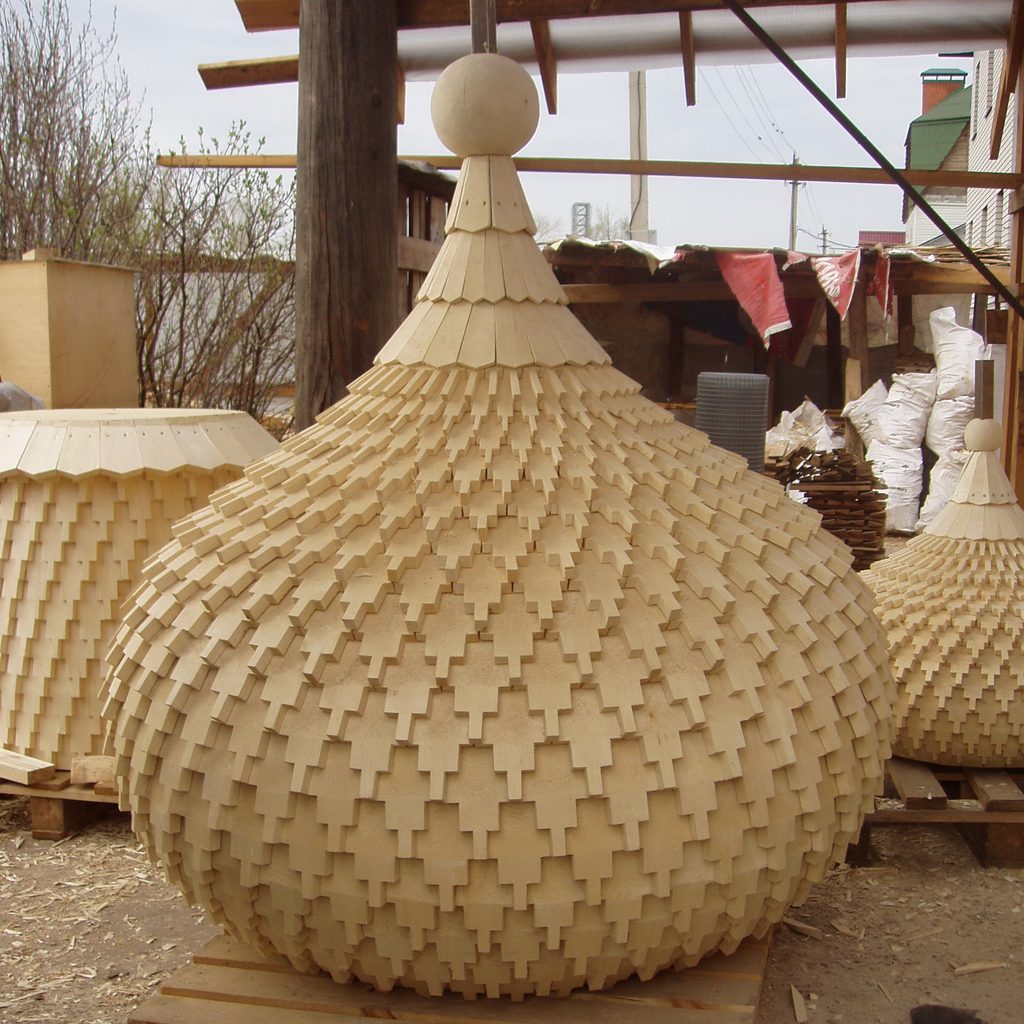
Properly selected and installed wood can perform remarkably well. It also has a visual quality that is almost impossible to reproduce with industrial materials.
Today, however, we normally consider such roofing a specialized historical material. It makes the most sense in restoration, reconstruction, or in a project where a deliberate reference to traditional wooden architecture is an essential part of the architectural concept.
Slate and Tile
Natural slate and clay tile belong to another category altogether.
A properly executed slate roof can last for generations and, in some cases, may survive longer than many of the structural and finishing systems beneath it. Clay tile can provide similarly impressive service when correctly detailed and maintained.
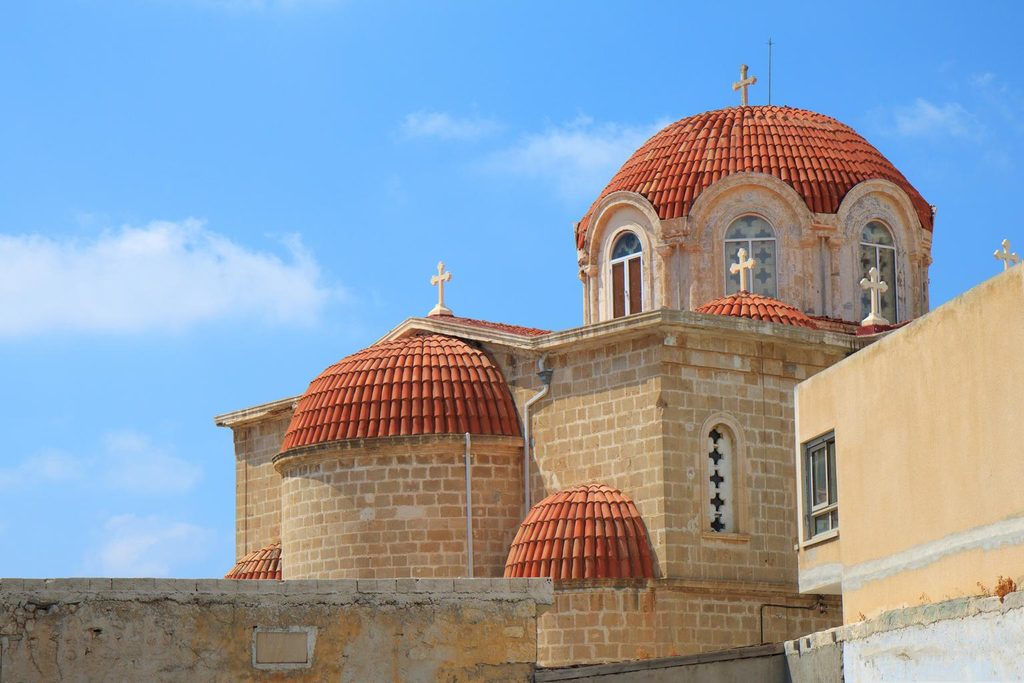
The difficulty is that both systems are expensive. They are also substantially heavier than sheet-metal roofing and may require a more robust roof structure from the beginning. On a church with many curved surfaces, small radii, apses, or complicated transitions, fabrication and installation can become particularly demanding.
They are magnificent materials, but rarely economical ones.
Standing-Seam Metal Roofing
For many contemporary Orthodox churches, the most balanced solution is traditional standing-seam metal roofing.
Its principal advantage is the relationship between durability, weight, cost, and architectural flexibility. This is one reason standing-seam roofing has become so common on new Orthodox churches in the United States and Canada.
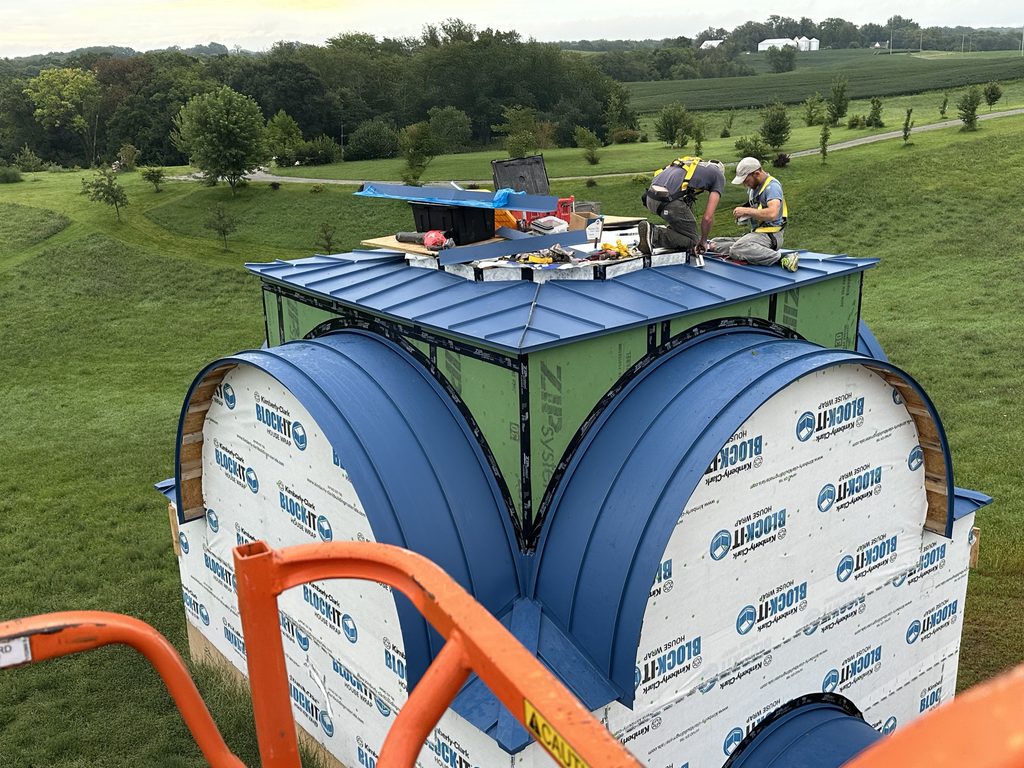
The system is made of sheet-metal panels connected by raised seams. These seams run with the geometry of the roof and create the characteristic vertical rhythm that works particularly well with traditional church architecture.
The metal itself can vary considerably.
At the upper end is copper. New copper begins with its characteristic warm metallic color, gradually darkens, and, depending on climate and exposure, can eventually develop the noble green patina associated with many historic roofs and domes.
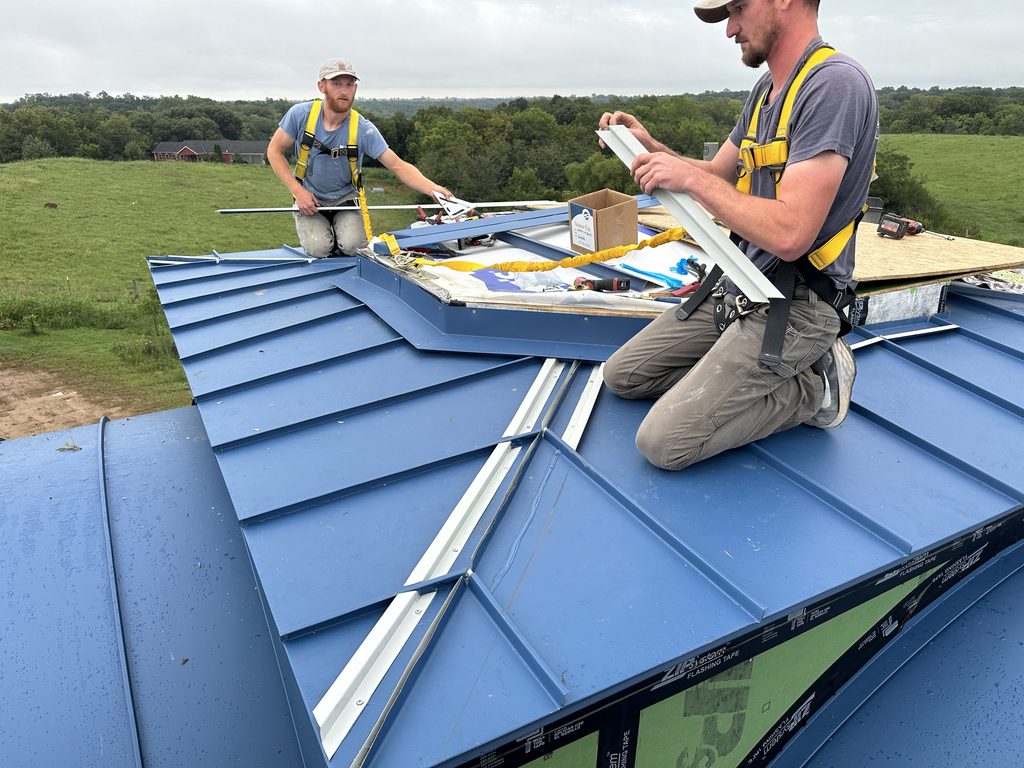
More economical solutions include painted or factory-coated steel, as well as other architectural metals. Contemporary coatings offer a broad range of colors, allowing the roof to become an important element in the overall composition of the church rather than simply a technical covering.
The Difficulty Is in the Curves
A simple standing-seam roof is one thing. An Orthodox church is another.
Zakomary, rounded apses, drums, conical roofs, and especially domes require considerable metalworking skill. Straight rectangular panels are no longer sufficient. The individual pieces may need to taper, curve, or change geometry as they move across the surface.
On particularly complex elements, panels and flashings are measured and formed in a workshop before being brought to the site. Curved seams, tapered panels, special edge conditions, and transitions between roof surfaces must be worked out carefully. Some elements require specialized rolling, forming, and hand-seaming techniques.
This is where roofing becomes craftsmanship.
When it is done properly, however, the result is remarkable. The seams emphasize the geometry of the church, water is directed naturally down the roof surfaces, and a highly technical building envelope becomes part of the architectural expression itself.
A good Orthodox church roof should not merely keep the rain out. It should protect the building for decades while completing its silhouette.
And when metal, geometry, and craftsmanship come together correctly, even the roof becomes part of the beauty of the church.
#Apsida #ApsidaStudio #Molodin #Malyshev #OrthodoxArchitecture #OrthodoxChurch #OrthodoxChurchDesign #ChurchArchitecture #SacredArchitecture #ChurchConstruction #MetalRoofing #StandingSeam #CopperRoof #RoofDesign #Zakomara #ArchitecturalMetalwork #BuildingTechnology #SacredDesign #ArchitectureTechnology #OrthodoxAmerica